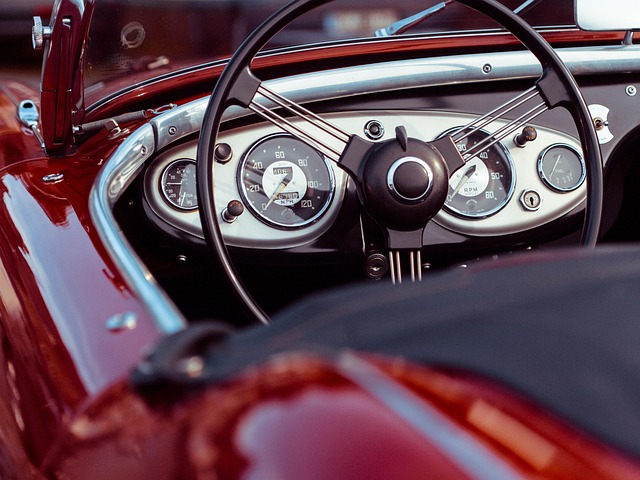
Understanding and verifying a classic car's VIN is crucial for registration and authentication. The 17-character VIN provides vehicle history, make, model, and year details. Cross-referencing with databases like DMV ensures accuracy. Physical inspection and online checks via tools like NMVTIS resolve discrepancies. Staying updated on industry standards helps overcome challenges in VIN verification, ensuring prompt, accurate registration for classic car owners.
In the world of classic cars, ownership and registration require a meticulous process known as VIN verification. Ensuring accuracy is paramount to avoid legal issues and maintain historical integrity. However, navigating the complexities can be daunting for enthusiasts. This comprehensive guide aims to demystify the VIN verification process specifically tailored for classic cars. We’ll walk you through each step, from gathering essential documents to deciphering vehicle identification numbers, empowering you with the knowledge to register your cherished classics accurately and effortlessly.
- Understanding Your Classic Car's VIN (Vehicle Identification Number)
- The Process of VIN Verification for Registration
- Tools and Resources for Accurate VIN Decoding
- Common Issues & Tips for a Successful VIN Verification
Understanding Your Classic Car's VIN (Vehicle Identification Number)

Understanding your classic car’s VIN (Vehicle Identification Number) is a crucial step in ensuring accurate VIN verification for registration. The VIN acts as a unique fingerprint for your vehicle, providing vital information about its history, make, model, and year. It serves as a critical tool for both owners and authorities to verify the authenticity of a car during the registration process or when transferring ownership. A thorough inspection of this number can help uncover potential issues, such as accident history or prior damage, which is particularly important when considering the purchase of a salvage vehicle.
To begin, locate the VIN on your classic car. It’s typically found on the vehicle’s driver-side dashboard, near the window, or on the engine block for older models. The VIN is usually engraved or stamped and composed of 17 characters, including letters and numbers. Each character serves a specific purpose; for instance, certain digits represent the year and manufacturing plant where the car was produced. As you examine this number, be aware that even minor variations could indicate tampering or fraudulent activities, especially when buying from private sellers or untrusted dealers.
A responsible approach to VIN verification includes cross-referencing the number with reputable databases offered by government agencies like the DMV (Department of Motor Vehicles) for a serial number check. These services enable you to confirm if the VIN is valid and free from any discrepancies. For instance, in California, the CHP (California Highway Patrol) provides a VIN verification service that offers insights into a vehicle’s history within 1-3 business days at a nominal cost. This step is paramount when ensuring a safe purchase of a salvage car, as it helps mitigate risks associated with purchasing vehicles with hidden issues or stolen identities.
The Process of VIN Verification for Registration

The process of VIN verification for registration is a critical step in ensuring the authenticity and legality of classic cars. A Vehicle Identification Number (VIN) serves as a unique fingerprint for each vehicle, providing essential data about its manufacture, history, and specifications. For classic car owners, proper VIN verification not only protects against fraud but also facilitates accurate registration and insurance claims. The process typically involves several key steps that must be executed diligently.
First, gather all necessary documentation related to the vehicle, including the title, registration papers, and any historical records. This step is crucial as it ensures you have a comprehensive understanding of the car’s background. Next, conduct a free online vin dmv check using reputable services or tools. Tools like online chassis verification can cross-reference the VIN against extensive databases to provide insights into the vehicle’s history, identifying any red flags such as previous accidents or title issues. A simple search can save owners valuable time and money by exposing potential problems early in the registration process.
Upon completion of the initial check, thoroughly inspect the vehicle physically. Look for signs of repair or modifications that might not be reflected in records. Classic cars are often restored or subject to custom transformations, so visual verification is essential. If discrepancies are found between documentation and physical inspection, further investigation may be required. Experts recommend consulting with specialized classic car clubs or professionals who can guide through complex cases. Regularly updating and maintaining accurate records throughout the process ensures a smooth VIN verification for registration, ultimately facilitating the ownership experience for classic car enthusiasts.
Tools and Resources for Accurate VIN Decoding
Accurate VIN verification for classic cars relies on robust tools and resources capable of extracting detailed vehicle information from a 17-character unique identifier known as the Vehicle Identification Number (VIN). For enthusiasts and professionals alike, understanding how to verify a car’s VIN number goes beyond mere curiosity; it’s crucial for accurate registration, insurance claims, and historical integrity.
One of the primary tools for licensed VIN verifiers is dedicated software that decodes essential data points such as make, model, year, engine specifications, and even previous ownership history. These applications often integrate with database networks containing vast repositories of vehicle data, ensuring up-to-date and reliable information. For instance, the National Motor Vehicle Title Information System (NMVTIS) in the United States provides a comprehensive platform for VIN verification, offering insights into a vehicle’s title history, odometer readings, and any reported damage or salvage records.
Beyond digital platforms, physical inspection of a classic car’s chassis can complement electronic VIN verification. By examining components like engine blocks, transmission cases, and frame tags, you can cross-reference manufacturing details with the recorded VIN data. This multi-faceted approach—combining advanced technology with meticulous manual examination—is essential for ensuring the accuracy of VIN verification, especially for older or rare vehicles where records might be scarce or inconsistent. Regularly updating your knowledge base with the latest industry standards and resources is vital to maintaining the highest level of expertise in car chassis verification, whether you’re performing it once or multiple times throughout your classic car ownership journey.
Common Issues & Tips for a Successful VIN Verification

When undergoing VIN verification for registration—a crucial step for classic car owners—one often encounters a range of common issues that can delay or even derail the process. This is especially true with commercial trucks and unique vehicles where record-keeping may be less meticulous. A thorough understanding of these challenges, coupled with expert tips, ensures a smoother journey.
One frequent hurdle involves obtaining accurate data from the DMV (Department of Motor Vehicles). Inaccurate or incomplete VIN (Vehicle Identification Number) records can lead to prolonged verification processes. For instance, old records may be difficult to locate for vintage cars, causing delays. To mitigate this, owners should proactively reach out to their local DMV to ensure all available information is on hand before initiating the VIN verification process with a dmv vin verifier.
Another challenge arises from discrepancies between various vehicle databases. Commercial truck VIN verifications, in particular, often involve multiple data sources. Inconsistent or conflicting information can complicate matters. A solution involves cross-referencing data from multiple reliable sources to establish an unwavering record. Utilizing reputable online platforms and professional dmv vin verifier services can significantly enhance accuracy and save time.
To ensure a successful VIN verification for registration, classic car owners should be prepared with meticulous records, anticipate potential issues, and engage trusted resources. For instance, checking historical ownership records, comparing data from multiple databases, and utilizing specialized vin verification services can streamline the process. By being proactive and leveraging available tools, including advanced dmv vin verifier technologies, classic car enthusiasts can navigate these challenges effectively, ensuring their vehicles are accurately and promptly verified for registration.
By following a meticulous step-by-step approach to VIN verification for registration, classic car owners can ensure the authenticity and accuracy of their vehicle’s history. Understanding your classic car’s unique VIN is paramount, as it serves as a digital fingerprint, providing critical insights into its past. The article has outlined a clear process, from decoding the VIN using specialized tools and resources to identifying common issues that could hinder a successful verification. Armed with this knowledge, enthusiasts can confidently navigate the complexities of registering their cherished classics, ensuring a seamless and legitimate ownership experience. This comprehensive guide is an invaluable resource for anyone aiming to maintain the integrity of their classic car’s registration through proper VIN verification procedures.


